
When choosing between rekey vs replace locks, the decision depends directly on your hardware’s mechanical condition. Rekeying alters the internal tumbler pins so a new key works, allowing you to keep your existing lock body. Replacing removes the entire locking mechanism to install brand-new hardware. Rekeying offers a cost-effective solution for lost keys or new property purchases. Replacing locks becomes necessary when your current locks suffer physical damage, operate poorly, or require a security grade upgrade. This guide explains the mechanical differences, building codes, and cost factors to help you secure your front door properly.
Key Differences: Rekey vs Replace Locks
Choosing between these two methods depends on whether your lock body is broken or if you just need to restrict access from old keys. Here is a direct breakdown of how each process functions and impacts your budget:
| Feature | Lock Rekeying | Lock Replacement |
| What changes? | Internal cylinder pins only | Entire lock body and strike plate |
| Average Cost | Lower (Labor and pins) | Higher (Labor + New hardware) |
| Standard Time | 10 to 15 minutes per cylinder | 30 to 60 minutes per door |
| Security Level | Resets key access control | Upgrades physical hardware strength |
| DIY Friendly? | Challenging (Needs pin kits and tools) | Moderate (Needs basic hand tools) |
How the Lock Rekeying Process Works
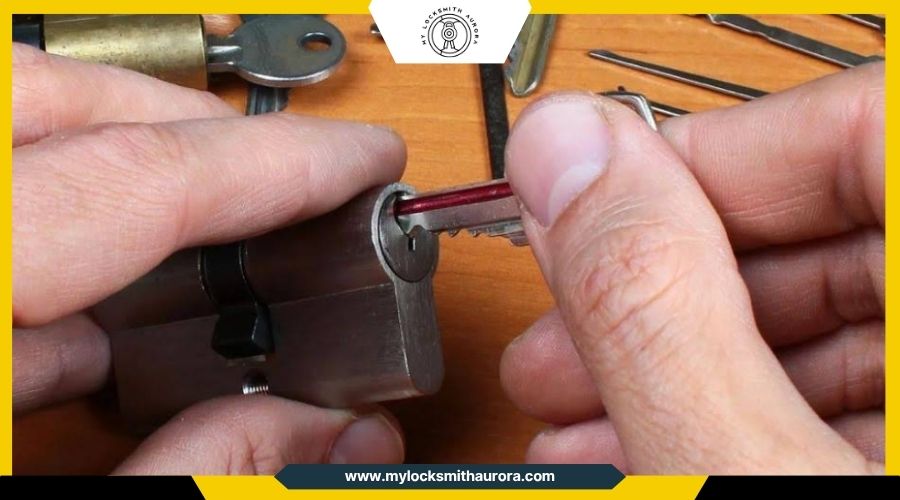
Rekeying is a precise mechanical adjustment. A locksmith extracts the lock cylinder and replaces the internal pins to match a new key cut. Choose this option when your deadbolts function smoothly, but you need to invalidate old keys.
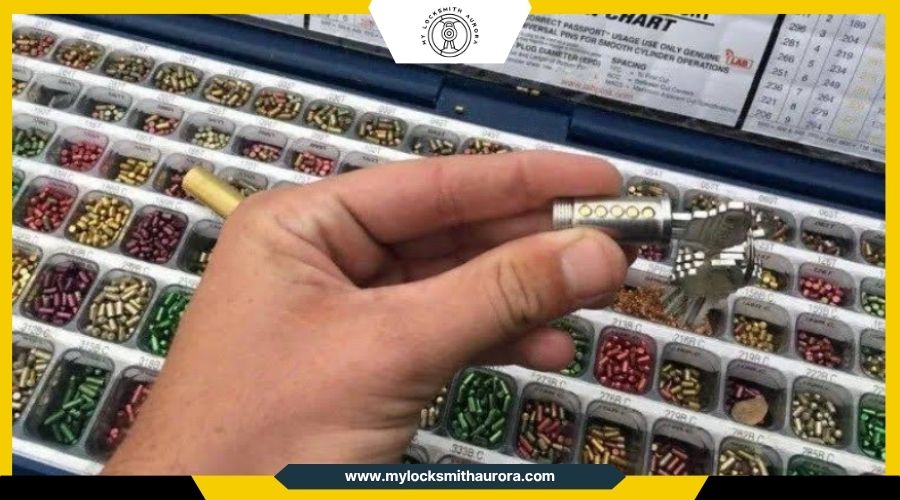
- Internal Reset: The technician removes the specific brass pins inside the cylinder plug and installs new ones to align with a different key code.
- Cost Efficiency: You only pay for labor and small parts, saving money on heavy metal hardware.
- Key Consolidation: A professional can adjust multiple compatible locks so one master key opens every door on the property.
- Waste Reduction: You minimize waste by updating the internal mechanics instead of discarding functional metal housings.
Note: Rekeying requires locks to share the same keyway profile. Mismatched brands usually cannot operate on the same key.
When to Choose Full Lock Replacement
Replacing your locks requires removing the existing door hardware and installing a completely new system. You must choose this method if your current locks fail mechanically or lack the strength to stop forced entry.
- Mechanical Failure: Install new hardware if your current lock sticks, rusts, or grinds during operation.
- Style Upgrades: Replacing the housing is the only way to change the finish or handle style to match a home renovation.
- Smart Technology: You must swap the entire unit to upgrade from a traditional mechanical keyway to an electronic keypad or biometric scanner.
- Security Grading: Replacing lets you discard weak builder-grade locks for heavy-duty, pick-resistant deadbolts.
Security Standards and Building Codes for Door Locks
Residential security relies on manufacturing standards and local safety regulations. Following these guidelines ensures your doors meet insurance terms and local building codes.
- ANSI Grading: The American National Standards Institute (ANSI) rates locks from Grade 1 to 3. Grade 1 provides the highest commercial-level security, while Grade 3 offers basic residential protection.
- Landlord Mandates: Many jurisdictions legally require property owners to rekey all exterior doors before a new tenant occupies the unit.
- Insurance Compliance: Certain homeowners insurance policies mandate specific deadbolt grades to maintain valid theft coverage.
- Fire Safety Codes: Local building codes frequently restrict double-cylinder deadbolts (locks requiring a key on both sides) on egress doors, as they can delay escape during a fire.
Why Hire a Professional Locksmith for Hardware Updates
While hardware stores sell DIY kits, a trained professional executes the job without damaging your door frame or lock housing. A technician carries the specialized tools required to address mechanical issues that standard screwdrivers cannot fix.
- Precision Alignment: A professional ensures the deadbolt throws smoothly into the strike plate without friction.
- High-Security Expertise: Technicians service restricted keyways and high-security cylinders that basic consumer kits do not support.
- Liability Protection: Hiring a licensed technician guarantees compliance with local safety codes and provides a service warranty.
- Emergency Origination: If you lose your only key, a locksmith can often decode the cylinder and originate a new key without drilling the lock.
Final Verdict: Rekeying or Replacing Your Home Locks
The correct choice depends on your existing hardware quality and your security goals. If your locks operate smoothly and you simply need to establish new key control, rekeying is the most efficient and economical method.
If your hardware shows visible wear, turns with difficulty, or features a low security grade, investing in replacement locks provides necessary physical protection. My Locksmith Aurora is a locksmith company in Aurora, CO, specializing in emergency lockout services for homeowners, businesses, and vehicle owners.
For a clear assessment of your door hardware, rely on our Aurora locksmith services. Request your accurate security quote today.
Frequently Asked Questions
What is the difference between rekeying and changing locks?
Rekeying modifies the internal pins so a different key operates the existing lock. Changing locks removes the old hardware entirely to install a new handle and deadbolt mechanism.
How much does it cost to rekey a lock?
Rekeying costs less because you only pay for labor and small brass pins. It avoids the retail cost of purchasing heavy metal lock bodies.
Is it better to rekey or replace locks?
Rekey functional, high-quality locks when you need to block old keys. Replace damaged, outdated, or low-grade locks to improve your physical door security.
How long does rekeying take?
A trained locksmith rekeys a standard cylinder in 10 to 15 minutes. Servicing a typical house with four locks takes under one hour.
Can you rekey a lock to an existing key?
Yes. If the locks share the same keyway profile, a locksmith can pin multiple cylinders to operate smoothly with one single key.