Types of keys for locks range from standard residential pin tumbler keys to advanced restricted keyways for commercial properties. Understanding your key system helps you improve access control, reduce security risks, and decide if lock rekeying is a better option than full lock replacement.
Choosing the right key can feel confusing when every lock affects your daily safety, privacy, and access control. The guide below explains common key types, how they work, where they are used, and when upgrading your locks may make sense for your home or business.
What Makes a Key System Secure
A secure key system combines strong lock hardware with controlled key access. The goal is to prevent easy picking, bumping, forced entry, and unauthorized key duplication.
Basic residential locks often use standard pin tumbler cylinders. These work well for many homes, but they may not provide enough protection for high-risk doors, rental properties, or businesses with frequent employee turnover.
High-security key systems often include pick-resistant cylinders, restricted keyways, stronger strike plates, and clear records of who has each key. Before upgrading, check the lock’s ANSI/BHMA grade level, door condition, and daily access needs.
How Do You Identify Standard Residential Keys
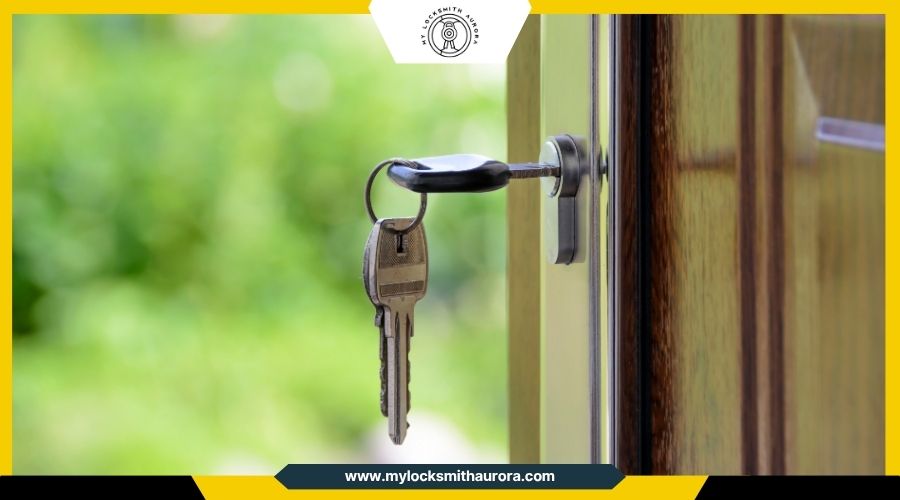
Standard house keys usually operate pin tumbler locks. High-security residential keys may use dimples, angled cuts, or patented keyways for added protection.
Pin tumbler keys are the common house keys with jagged cuts along one edge. These cuts lift small pins inside the lock cylinder, allowing the plug to turn and open the door.
Dimple keys look flatter and often have small cone-shaped cuts drilled into the blade. These designs can make the lock harder to pick and more difficult to duplicate without the right tools.
This matters because many homeowners only think about their keys after a lockout, break-in, or move. Reviewing your key type early helps you catch weak points before they become bigger security issues.
Which Keys Protect Commercial and High-Value Assets
Commercial properties often need stronger key control than standard residential locks can provide. Restricted keyways, tubular keys, and electronic credentials can help limit unauthorized access.
- Tubular keys have a round barrel shape with cuts around the edge. You often see them on vending machines, retail cases, bike locks, and specialty equipment.
- Restricted keyways use controlled key blanks that are only available through approved locksmiths or authorized providers. This helps stop employees, tenants, or vendors from making casual copies at a hardware store.
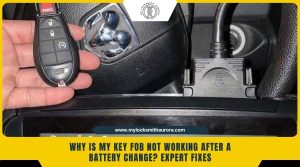
- Transponder keys contain chips that communicate with a vehicle or access system before the lock or ignition will work. RFID access control cards and key fobs are more common for contactless building access because they confirm an approved user without inserting a metal key.
For businesses, the key itself is only one part of the system. Managers should also track who has access, when keys are returned, and which doors need higher protection.
How Does a Master Key System Work for Businesses
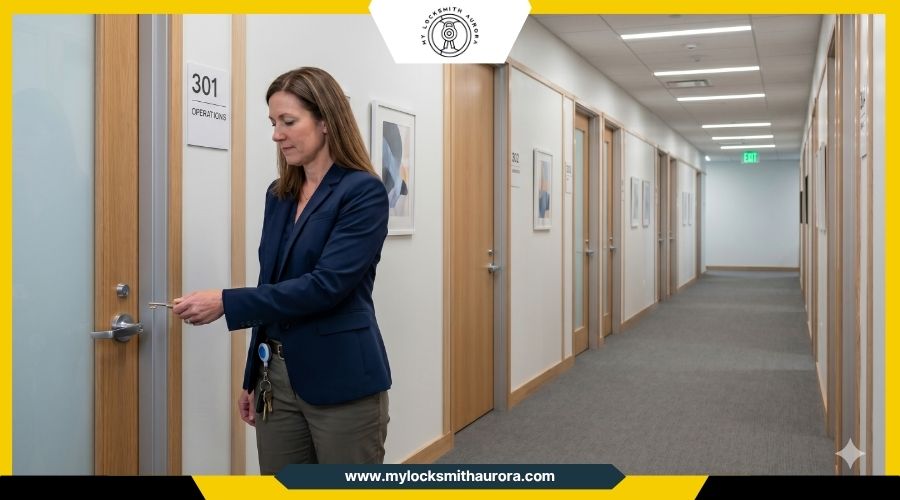
A master key system allows a single main key to open multiple locks, while individual keys open only the assigned doors. This gives managers easier access without giving every employee the same level of entry.
For example, a building owner may carry one master key for all office doors. Employees may receive keys that only open their own office, storage room, or work area.
This setup can reduce the number of keys a manager carries while still keeping access organized. However, master key systems must be designed carefully. Poor planning can create security gaps if too many people receive higher-level keys.
Are Commercial Locks Legally Required to Be Accessible?
Many public commercial buildings must follow accessibility and egress standards for door hardware. These rules help people enter, exit, and escape safely during emergencies.
Door hardware in public-facing spaces often needs to be easy to operate without tight grasping, pinching, or twisting. That is why lever handles are common in many commercial buildings instead of round knobs. The 2010 ADA Standards for Accessible Design set accessibility requirements for many public accommodations and commercial facilities.
Fire and building codes also affect lock choices on exit doors. Some doors may need panic hardware, free egress hardware, or hardware that allows people to exit without special knowledge or a key. The International Building Code means of egress rules provide guidance on safe exit paths and the operation of doors.
Since rules can vary by property type, location, and building use, business owners should confirm requirements with local code officials, a licensed contractor, or a qualified locksmith before changing commercial door hardware.
How Do You Avoid Common Access Control Pitfalls
Poor key management can weaken even a strong lock system. The safest plan is to control who has keys, where spare keys are stored, and when locks should be rekeyed.
- Predictable hiding spots: Leaving spare keys under mats, inside fake rocks, or near door frames creates an easy entry point. Intruders know these hiding places and often check them first.
- Employee turnover: Businesses can lose track of keys when employees leave. A restricted keyway or timely rekey can reduce the risk of old keys being used later.
- Too many copies: Extra keys handed out to relatives, tenants, contractors, or staff can be hard to track. Keep a clear key list and update it when access changes.
- Ignoring worn locks: A key that sticks, spins, or takes force to turn may signal cylinder wear or door alignment issues. Fixing the problem early can prevent lockouts and broken keys.
Small habits make a big difference. Strong hardware helps, but smart key control keeps that hardware working as intended.
When Should You Consider Lock Rekeying vs Replacing
Lock rekeying and lock replacement both improve security, but they solve different problems. Rekeying is usually the better choice when the lock still works well but old keys should no longer open it. Replacement is the safer option when the lock hardware is damaged, outdated, weak, or no longer fits your security needs.
| Option | Best For | What It Does | When to Choose It |
| Lock Rekeying | Working locks with security concerns | Changes the internal pins so old keys no longer work | After moving into a new home, losing a key, ending a lease, or changing employees |
| Lock Replacement | Damaged, weak, or outdated locks | Replaces the entire lock hardware | When the lock is broken, rusted, loose, low-grade, or no longer protects the property well |
A locksmith can inspect the door, cylinder, strike plate, and keyway before recommending the right option. This helps you avoid replacing good hardware when rekeying is enough, while still upgrading locks that no longer provide reliable protection.
Upgrade Your Door Security Today
The right key system can make your property easier to manage and harder to access without permission. Whether you need rekeying, restricted keys, master key planning, or better lock hardware, a trained locksmith can help you choose the safest option for your doors.
My Locksmith Aurora is a locksmith company in Aurora, CO, specializing in emergency lockout services for homeowners, businesses, and vehicle owners. Contact our technicians to schedule trusted Aurora locksmith services and improve your property security today.
Frequently Asked Questions
What is the penalty for ignoring commercial lock regulations?
Noncompliance can lead to required corrections, complaints, fines, or failed inspections. Always check local building codes before changing commercial door hardware.
What is a skeleton key used for today?
A skeleton key operates older warded locks by bypassing internal obstructions. Today, you mostly see them on antique furniture, historic doors, and older interior locks.
Can hardware stores duplicate high-security keys?
Most hardware stores cannot duplicate high-security keys that are restricted or patented. These keys usually require authorization from a locksmith or approved key provider.
Why are tubular keys harder to pick?
Tubular keys use a circular design with pins arranged around the lock cylinder. This layout requires different tools and more skill than many standard pin tumbler locks.
Is an ADA-compliant lock legally required for my business?
Many public commercial spaces must use accessible door hardware, especially after new construction or alterations. Check the ADA Standards and local codes for your property.