Types of door locks can affect your home’s safety, daily convenience, and emergency exit access. Choosing the right hardware during a routine lock rekeying or replacement helps you avoid weak locks, code issues, and poor weather performance.
Your front door, back door, patio door, and interior rooms all need different levels of protection. This article explains the main residential lock options, where each one works best, and which mistakes to avoid before upgrading your home security.
What Makes a Door Lock Truly Secure?
A secure door lock uses grade-rated hardware, strong metal parts, a reinforced strike plate, and proper installation. The lock itself matters, but the door frame and screws also play a major role in stopping forced entry.
Best-in-class residential security often starts with a Grade 1 or Grade 2 deadbolt. These locks offer stronger resistance against kicking, prying, drilling, and repeated daily use than basic builder-grade hardware.
Material quality also matters. Solid brass, hardened steel, and reinforced internal parts last longer than hollow, lightweight metals. A strong lock should also handle Colorado’s seasonal weather changes without sticking, warping, or failing.
For better protection, choose Grade 1 or Grade 2 hardware for exterior doors. Use long three-inch screws to anchor the strike plate deep into the wall stud, not just the thin door frame.
Which Type of Lock Fits Your Security Needs?
Different lock types serve different purposes based on the door location, safety needs, and access level. A front entry door needs stronger hardware than a bedroom, bathroom, closet, or interior office door.
This quick comparison shows where each lock type works best:
| Lock Type | Primary Location | Security Level | Main Feature |
| Single Cylinder Deadbolt | Main Exterior Doors | High | Thumb turn inside for fast exits |
| Double Cylinder Deadbolt | Doors with Nearby Glass | High | Requires a key on both sides |
| Knob and Lever Locks | Interior Bedrooms and Bathrooms | Low | Locking cylinder inside the handle |
| Smart Electronic Locks | High-Traffic Entryways | High | Keyless entry and access tracking |
| Mortise Locks | Older Homes and Heavy Doors | High | Lock body fits inside the door pocket |
Each lock has a purpose. The right choice depends on whether you need privacy, convenience, resistance to forced entry, or controlled access.
How Do Single and Double Cylinder Deadbolts Work
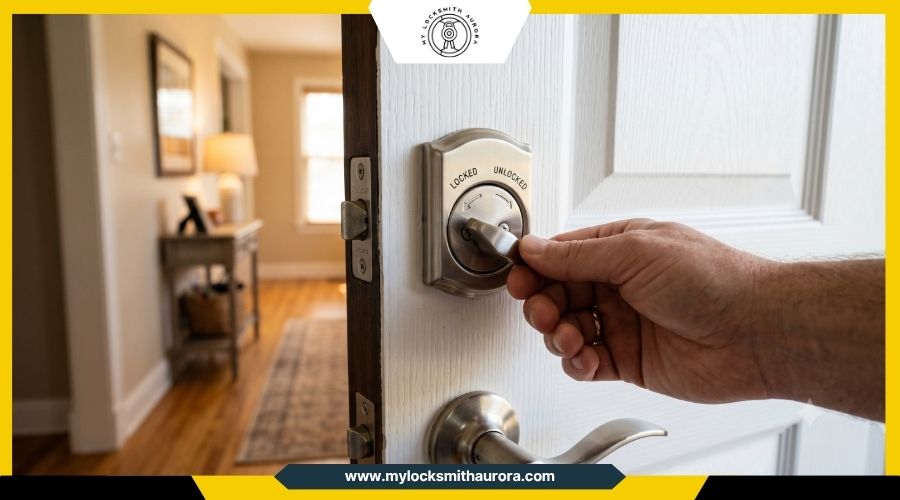
Deadbolts use a solid bolt that extends into the door frame without relying on a spring latch. Single cylinder deadbolts use a key outside and a thumb turn inside, while double cylinder deadbolts require a key on both sides.
Here is the main difference:
- Single cylinder deadbolts: These work well for most front doors because they provide strong security while allowing a quick exit from inside the home. This matters during fires, medical emergencies, or other urgent situations.
- Double cylinder deadbolts: These may help on doors with nearby glass because someone cannot break the glass and turn the lock from the inside. However, they can create a serious safety risk if occupants cannot find the key during an emergency.
Before choosing either option, think about both security and safe exit access. Review the National Fire Protection Association guidelines to understand why egress rules limit certain locks in many areas. Always check local fire safety codes before installing a double cylinder deadbolt on an exterior door.
When Should You Use Knob and Lever Handle Locks
Knob and lever handle locks work best for interior privacy, not exterior security. These locks place the cylinder inside the handle, making them easier to force open than deadbolts.
Use knob and lever locks for bedrooms, bathrooms, closets, laundry rooms, and interior offices. They offer convenience and privacy, but they should not act as the only lock on a main entry door.
Lever handles also make doors easier to open for older adults, children, and people with mobility concerns. They can also support accessible design based on Americans with Disabilities Act guidelines.
For exterior doors, pair a knob or lever handle with a heavy-duty deadbolt. This gives you daily convenience without relying on weak handle hardware for primary security.
Are Electronic Keypads and Smart Locks Worth It
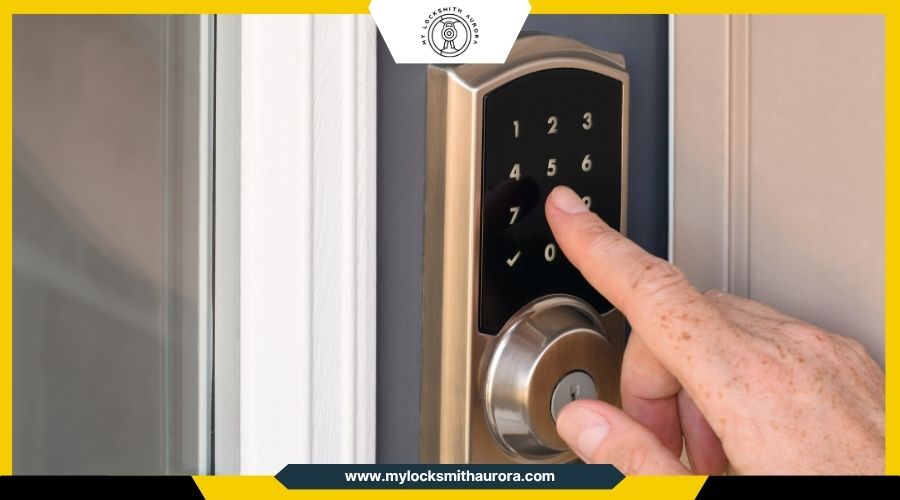
Smart locks can be worth it if you want keyless entry, access logs, temporary codes, and remote control. They work best when you choose weather-rated hardware and maintain the battery properly.
Smart locks make sense for busy households, rental properties, home offices, and families that need controlled access. You can create temporary codes for cleaners, dog walkers, guests, contractors, or relatives without handing out physical keys.
Weather performance matters in Aurora and other Colorado communities. Extreme cold can drain standard alkaline batteries faster and may cause some smart locks to respond slowly.
Choose a smart lock with a strong weather rating, such as IP65 or higher. The IEC’s IP ratings for outdoor devices indicate how well an enclosure resists dust and liquid intrusion, which is important for exterior smart locks exposed to cold, moisture, and daily weather changes.
How Do Building Codes Affect Your Lock Choices
Building codes affect which locks you can safely install on exterior doors. Strong security should never block a safe emergency exit from inside the home.
The American National Standards Institute helps set performance standards for lock durability. Grade 1 hardware offers the strongest level of tested performance, while Grade 3 hardware is usually basic residential quality.
Local fire and building rules may restrict locks that require a key to exit from inside. This is why double-cylinder deadbolts can be problematic on main entry doors, especially if the door serves as a required emergency exit.
Before installing new exterior hardware, consider both security and life safety. A locksmith can inspect the door, frame, glass placement, and current hardware before recommending the safest option.
What Are Common Lock Installation Mistakes
Common lock installation mistakes include using short screws, misaligning the strike plate, relying on weak spring latches, and choosing hardware that does not match the door or climate. Even a strong lock can fail if installed poorly.
Avoid these issues when upgrading residential door hardware:
- Misaligned Strike Plates: A deadbolt should slide smoothly into the strike plate without pushing, lifting, or forcing the door. Misalignment can cause sticking, jamming, and poor security.
- Short Anchoring Screws: Many lock kits include short screws that only bite into the trim or thin frame. Replace them with three-inch screws to secure the strike plate to the wall framing.
- Relying on Spring Latches: A spring latch offers weak protection against forced entry. Never use a knob or lever latch as your only exterior door lock.
- Ignoring Door Condition: A cracked frame, warped door, loose hinges, or damaged jamb can weaken even the best lock. Repair the door structure before upgrading the lock.
- Choosing the Wrong Lock for the Weather: Exterior locks should handle cold, moisture, dust, and daily use. Low-quality hardware may stick, corrode, or fail faster in harsh weather.
Proper installation makes the hardware work as designed. It also helps prevent lockouts, loose cylinders, deadbolt jams, and early lock failure.
Choose Safer Locks for Your Home
Choosing the right residential lock starts with matching the hardware to the door, security needs, weather exposure, and local safety rules. Grade-rated deadbolts, reinforced strike plates, and proper installation can make a major difference in your home’s protection.
My Locksmith Aurora is a locksmith company in Aurora, CO, specializing in emergency lockout services for homeowners, businesses, and vehicle owners. We also provide expert hardware upgrades and emergency locksmith solutions to help keep your property secure. Contact our team today for professional lock installation and security support.
Frequently Asked Questions
What are the most secure types of door locks for a front door?
Grade 1 single cylinder deadbolts are among the most secure options for residential front doors. Pair them with reinforced strike plates and long screws for better forced-entry resistance.
Is a double cylinder deadbolt legally required for doors with glass panels?
No. Double cylinder deadbolts are not usually required and may be restricted on main exit doors because they require a key to open from the inside during an emergency.
How do smart locks perform in cold Colorado weather?
Smart locks can work well in cold weather if they are properly rated and maintained. Use weather-rated hardware and lithium batteries to reduce the risk of battery failure.
Do mortise locks provide better security than standard deadbolts?
Mortise locks can provide excellent strength because the lock body fits inside a pocket cut into the door. They are durable, but they must be installed correctly to work well.
Can I rekey builder-grade locks to improve my home security?
Rekeying changes the key access, but it does not strengthen weak hardware. Replace low-quality builder-grade locks with high-security deadbolts for better protection.