It is incredibly frustrating to insert your house key, turn it completely, and find that the door remains completely stuck. When your key turns but door won’t open, the problem is usually caused by a failed internal lock component, latch misalignment, or pressure binding against the door frame. Forcing the handle or twisting the key harder can snap the key inside the lock, creating a much more expensive problem to fix. In this guide, you will learn why this failure happens, how to troubleshoot it at home, and when you need to call a professional locksmith.
Quick Table for Diagnosing Common Door Lock Problems
When an entry door jams unexpectedly, isolating the core symptoms immediately helps you choose the right course of action. This reference layout breaks down the exact causes, hardware types, and required fixes for a malfunctioning lock set:
| Hardware Type | Observed Symptom | Primary Cause | Resolution |
| Standard Deadbolt | Key spins with no resistance. | Sheared Cylinder Tailpiece | Replace the damaged tailpiece, lock cylinder, or entire lock assembly if needed. |
| Spring Latch Knob | Key turns fully, but the latch stays extended. | Failed Internal Latch Mechanism | Manually retract the latch if accessible, then replace the latch assembly. |
| High-Security Lock | The key is stiff and binds mid-rotation. | Structural Door Misalignment | Tighten frame hinges or adjust the strike plate. |
Why Your Door Lock Spins Without Opening
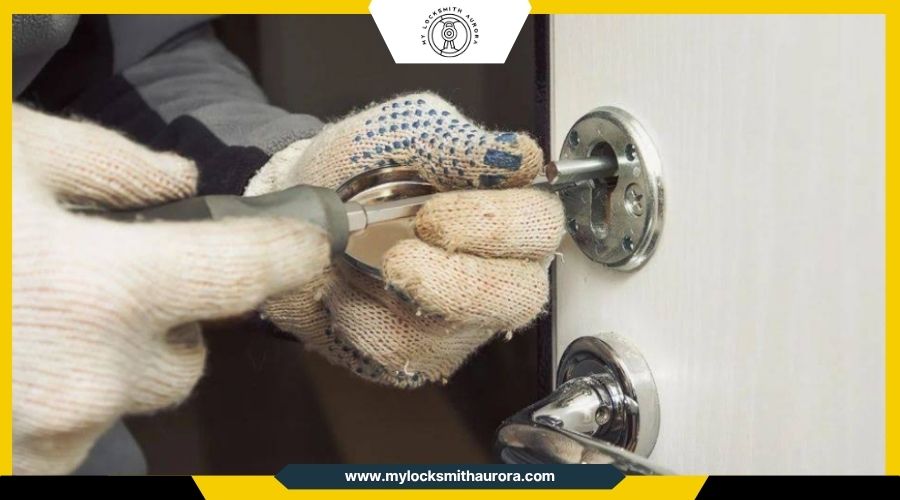
If your key rotates smoothly but the latch refuses to budge, an internal component has likely failed or shifted out of place. You can narrow down the issue by matching your lock’s behavior to these common mechanical failures:
- Sheared Cylinder Tailpiece: The flat metal bar extending from the back of your lock core has snapped off completely, meaning the key turns the plug, but nothing connects to the actual bolt.
- Broken Internal Latch Spring: Internal latch components may fail or wear out over time, preventing the latch or deadbolt from retracting correctly even when the key turns.
- Severe Structural Bolt Bind: Your house has settled, or the door has sagged over time, wedging the deadbolt tightly against the strike plate and creating too much friction for the key to turn the mechanism.
- Dry or Corroded Mechanics: Dirt buildup, corrosion, or dried lubricant inside the lock can create resistance that prevents the mechanism from operating smoothly.
- Loose Housing Set Screws: The retaining screws holding a mortise cylinder or thumbturn in place have backed out, causing the internal components to disconnect entirely.
DIY Temporary Door Lock Fixes
You can often resolve minor alignment issues yourself if the door is still accessible and the key is not at risk of snapping. Try these field-tested troubleshooting steps to restore movement to your lock hardware:
- The Pressure Relief Method: Pull the door handle firmly toward you or lift upward while turning the key to take the physical weight of the door off the stuck latch.
- The Open Door Test: Extend the deadbolt with the door wide open and turn the key to see if it operates smoothly without the door frame blocking it.
- Dry Lubricant Application: Spray a dedicated graphite or PTFE lubricant directly into the keyway and around the latch to clear out internal friction and debris.
- Hinge Adjustment: Tighten the screws on your top door hinges to lift a sagging door back into its proper alignment with the strike plate.
How Professional Emergency Locksmith Services Can Help
A certified technician possesses specialized tools to open a malfunctioning door safely without causing costly structural damage to your property. Hiring an expert is essential if you are completely locked out or dealing with complex commercial hardware:
- Non-Destructive Entry Techniques: Technicians use bypass shims, lock picks, or camera scopes to manipulate the broken latch directly without harming the door face.
- Component Replacement: A locksmith carries a wide inventory of replacement tailpieces, latches, and grade-certified cylinders to fix the issue on the spot.
- Code Compliance Verification: For commercial buildings or emergency exit doors, locksmiths can verify that replacement hardware meets local safety requirements.
- Warranty Protection: Reputable services back their labor and replacement parts with a guarantee, protecting you from future mechanical failure fees.
Keep Your Door Locks in Top Shape
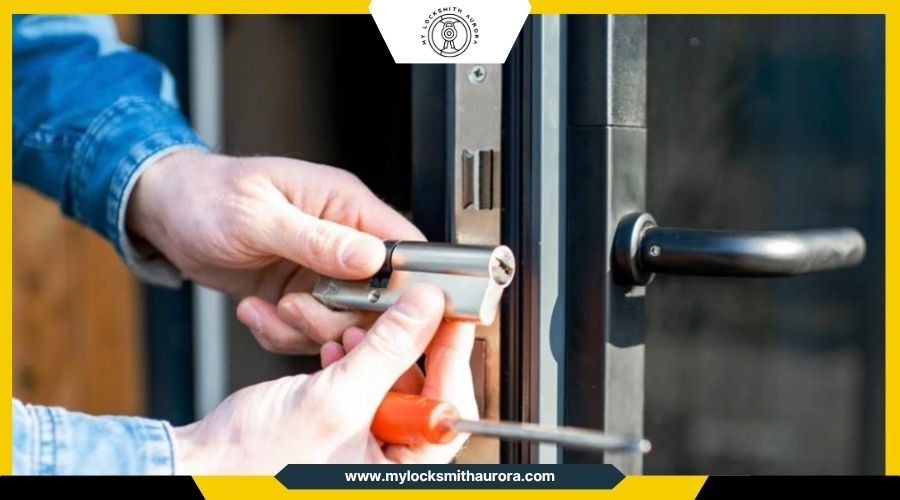
Ignoring a loose or spinning lock always leads to an unexpected lockout at the worst possible time. Taking care of your door hardware by tightening loose hinges, applying dry lubricants annually, and upgrading to higher-grade locks keeps your entryways dependable.
If a simple pressure test or lubrication does not solve the issue, leave the hardware alone to avoid ruining your door frame. My Locksmith Aurora is a locksmith company in Aurora, CO, specializing in emergency lockout services for homeowners, businesses, and vehicle owners.
Don’t get locked out. Let our expert emergency locksmith technicians diagnose and fix your lock.
Frequently Asked Questions
Why is my key turning but not unlocking the door?
This usually happens when an internal lock component fails, the latch becomes misaligned, or the connection between the key cylinder and latch mechanism breaks. The key successfully rotates the inner core, but because the connecting metal bar is severed, the latch mechanism no longer receives movement from the key cylinder.
How do you fix a lock that spins?
Fixing a spinning lock requires opening the door, removing the security handleset or deadbolt cylinder, and inspecting the internal drive bar. If the tailpiece is sheared, you must replace that specific metal bar or install a completely new lock cylinder to restore the connection to the latch.
What does it mean when a deadbolt won’t retract?
When a deadbolt won’t retract even though the key turns, the problem may involve worn internal components, severe door misalignment, or pressure against the strike plate. It can also indicate severe bolt bind, where the physical house frame is pressing heavily against the deadbolt and trapping it in place.
Can a lock be repaired, or does it need to be replaced?
If the issue is simply a loose set screw, dry mechanics, or a separate standard cylinder tailpiece, the lock can be easily repaired. However, if the internal cast-metal teeth of the latch box housing have shattered, the entire deadbolt assembly typically needs to be replaced with new hardware.
What should I do if my key gets stuck inside a spinning lock?
Stop turning or pulling the key forcefully to avoid bending or snapping the blade inside the keyway. Spray a dry lubricant around the plug opening, gently wiggle the key back and forth to realign the loose pins, and pull it straight outward without twisting.