The most common problems with door locks include jammed deadbolts, keys that refuse to turn, and misaligned strike plates. These mechanical failures typically stem from dirt buildup inside the cylinder, shifting door frames, or internal wear on the lock pins. Addressing these hardware issues promptly prevents complete mechanical failure and secures your entryways. This guide explains how mechanical locks malfunction, how to execute simple home repairs, and when a structural issue requires professional diagnostics.
How to Identify Door Lock Malfunctions
Mechanical failures emit warning signs before they leave you stranded. Use this table to diagnose specific hardware malfunctions and determine the urgency of your repairs:
| Problem | Likely Cause | Repair Urgency |
| Key is difficult to turn | Lack of lubrication or pin misalignment | Medium |
| Bolt will not fully extend | Strike plate obstruction | High |
| Lock housing wobbles | Loose mounting through-bolts | Low |
| Smart lock emits continuous beeps | Battery failure or motor strain | Medium |
| Key jams inside the cylinder | Debris buildup, worn pins, or bent metal | High |
7 Primary Causes Behind Mechanical Lock Failures
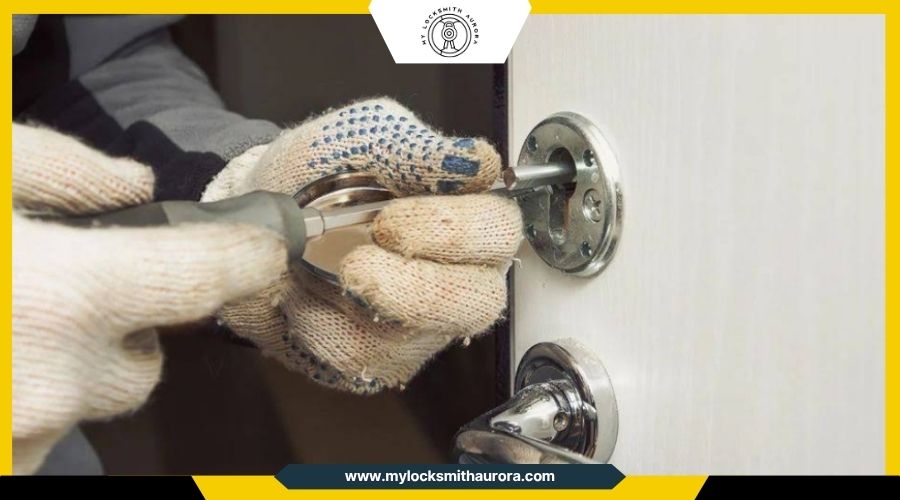
Physical wear and environmental changes cause mechanical locks to fail over time. Check this list to determine why your deadbolt or handle malfunctions:
- Clogged Keyways: Dirt and debris restrict pin movement inside the cylinder, preventing the shear line from aligning.
- Strike Plate Misalignment: Door frames shift with foundation settling. This causes the latch to hit solid metal instead of entering the strike plate hole.
- Sheared Tailpieces: The internal metal bar connecting your key cylinder to the deadbolt snaps. The key spins without moving the bolt.
- Worn Key Bitting: The physical cuts on your key flatten from friction. They no longer elevate the pins to the correct height.
- Loose Mounting Screws: Repeated door impacts loosen the through-bolts, causing unstable exterior hardware.
- Weather Stripping Pressure: Thick door seals push heavily against the door, straining the latch mechanism and creating friction.
- Broken Latch Springs: Internal springs fracture due to metal fatigue. The latch bolt fails to extend or retract properly.
Practical DIY Repairs for Door Hardware Issues
You can repair minor mechanical issues using basic tools and appropriate dry lubricants. Apply these methods to restore hardware functionality:
- Lubricate the Keyway: Spray graphite or PTFE (Teflon) directly inside the cylinder. This frees stuck pins. Avoid oil-based lubricants, as they trap dirt.
- Secure Hinge Screws: Tighten the top door hinges with a screwdriver. This corrects door sagging and realigns the lock mechanism.
- Clear Cylinder Debris: Inject compressed air into the keyway to dislodge trapped lint and dust.
- Adjust the Strike Plate: Reposition the metal frame plate up or down. Ensure the deadbolt enters the recess without friction.
- Tighten Through-Bolts: Remove the lock faceplate. Fasten the internal screws connecting the interior and exterior lock halves.
- Lubricate the Latch Bolt: Apply silicone spray to the angled latch edge. This reduces friction against the strike plate during closure.
- Modify Door Seals: Trim weather stripping if closing the door requires excessive physical force.
When You Need Professional Lock Repair
Complex structural failures demand specialized diagnostics and tools. Contact a professional locksmith when you encounter these situations:
- Broken Key Extraction: Technicians use specialized extractors to remove snapped metal without destroying internal cylinder springs.
- Commercial Grade Upgrades: Experts install ANSI Grade 1 or 2 hardware. High-security locks require precise mortise preparation to function correctly.
- Cylinder Re-keying: Locksmiths replace internal pins to match new keys. This secures the property without requiring full hardware replacement.
- Electronic Lock Diagnostics: Smart locks experience motor fatigue or logic board failures. These require digital diagnostic tools to repair effectively.
Long-Term Maintenance for Home Entryways
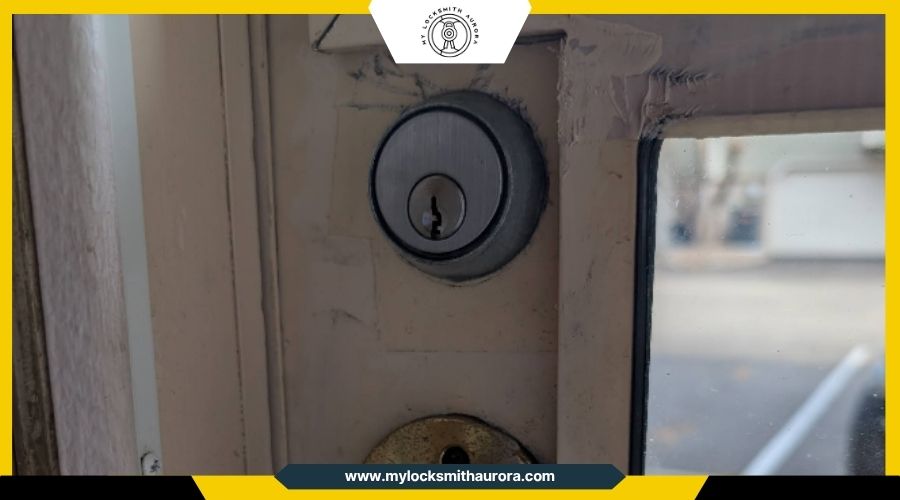
Consistent hardware maintenance prevents unexpected lock failures. Monitor alignment and apply dry lubricants every six months to sustain mechanical integrity. Complex internal damage always requires professional attention to maintain door warranties and structural safety.
My Locksmith Aurora is a locksmith company in Aurora, CO, specializing in emergency lockout services for homeowners, businesses, and vehicle owners.
Contact our local technicians to correct mechanical lock issues and fortify your property.
Frequently Asked Questions
Why does my key turn 360 degrees without unlocking the door?
A disconnected or broken tailpiece causes this malfunction. The key turns the cylinder plug, but the broken linkage cannot actuate the bolt mechanism.
How do I fix a broken tailpiece in a deadbolt?
You must disassemble the lock housing to access the tailpiece. Replace the damaged metal linkage bar. If the manufacturer does not sell individual tailpieces, you must install a new lock cylinder.
What causes a lock cam to stop engaging the bolt?
Excessive torque, poor metallurgy, or severe door misalignment strains the cam. The metal fatigues over time, preventing the cam from catching the bolt carriage.
Can I replace a lock tailpiece without a new cylinder?
Yes, if you source an exact replacement part for your specific lock model. You swap the tailpiece by removing the rear retaining clip. However, many brands only distribute complete cylinder assemblies.
Why is my lock cylinder spinning freely?
The retaining ring securing the plug has failed. Alternatively, the back of the cylinder plug has sheared off. The key rotates the plug without interacting with the internal deadbolt mechanism.